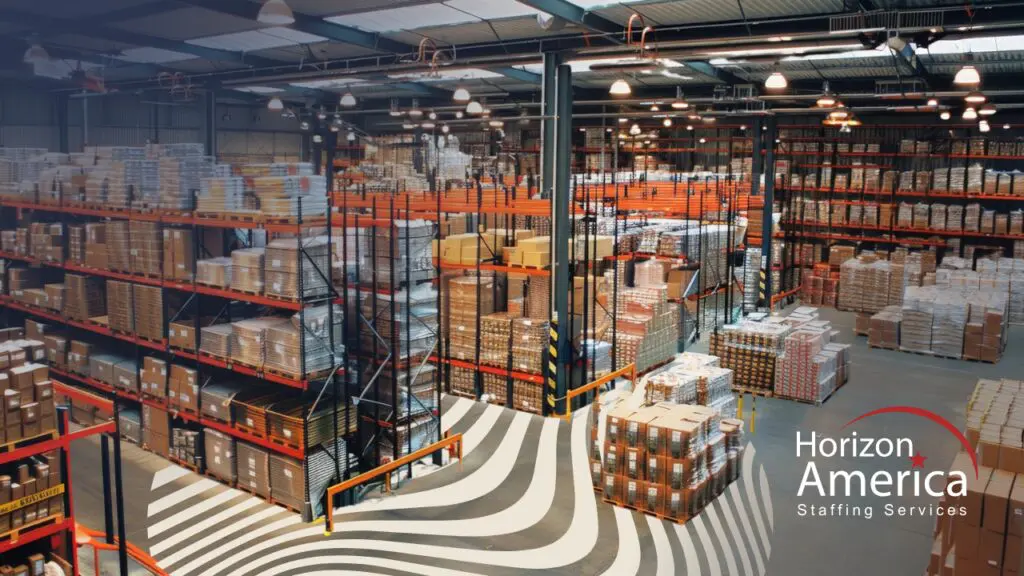
Distribution centers are under constant pressure to move faster, scale smarter, and stay reliable, as demand shifts week to week. Order volumes fluctuate, labor availability tightens, and fulfillment timelines continue to shrink. In this environment, relying on a single staffing approach often creates gaps that slow operations or strain teams.
Hybrid staffing models offer a more balanced solution. By blending temporary, temp-to-hire, and permanent roles, distribution centers gain flexibility without sacrificing consistency. When structured correctly, hybrid staffing models support peak demand, reduce hiring risk, and help leaders maintain a stable core workforce that keeps operations running smoothly.
Why Distribution Centers Are Moving Toward Hybrid Staffing Models
Recruiting and retaining reliable labor remains one of the biggest challenges for distribution leaders. According to SHRM, 69 percent of U.S. organizations report difficulty filling full-time roles, citing low applicant volume, intense competition, and candidate drop-off as key obstacles.¹ These challenges are especially visible in warehouse and logistics operations, where demand can spike quickly and unpredictably.
Hybrid staffing models help address this reality by giving distribution centers more control over workforce planning. Instead of relying only on permanent hires or scrambling to cover last-minute gaps, employers can build a staffing mix that flexes with demand while maintaining operational continuity. This approach shifts staffing from reactive to intentional, helping leaders plan for variability rather than constantly respond to it.
Hybrid Staffing Improves Scalability and Control
Scalability is one of the most immediate advantages of hybrid staffing models. Distribution centers face predictable surges tied to seasonal demand, promotions, and supply chain disruptions. A blended workforce allows managers to respond to these changes without destabilizing their teams or overextending internal resources.
This shift is already underway across the industry. In fact, 42 percent of operators plan to increase their use of flexible workers this year, reflecting a move toward staffing models that can adjust to demand without locking leaders into permanent headcount decisions.²
Using Temporary Roles to Manage Volume Swings
Temporary roles help distribution centers absorb short-term increases in order of volume without committing to permanent headcount. During peak periods, temporary workers support picking, packing, and shipping functions that are critical to meeting service levels. Almost 50 percent of operators say temporary workers are skilled, or even more skilled, than full-time staff, making them a reliable option.³
When demand eases, staffing levels can adjust without layoffs or prolonged downtime. This flexibility protects productivity while keeping labor costs aligned with operational needs.
Maintaining Stability Through Permanent Core Teams
Permanent employees provide consistency, process knowledge, and leadership on the floor. They understand safety protocols, quality standards, and performance expectations that keep operations running smoothly.
Hybrid staffing models intentionally preserve this core workforce while layering in flexible labor where it adds the most value. This balance helps avoid burnout, improves training efficiency, and maintains accountability across shifts.
Hybrid Staffing Creates Workforce Continuity Across Shifts and Seasons
One of the most overlooked benefits of hybrid staffing models is continuity. Sudden staffing changes, especially between peak and non-peak seasons, often disrupt workflows and increase safety risks.
Hybrid staffing allows distribution centers to:
- Retain experienced workers during slower periods
- Gradually scale labor instead of reacting to shortages
- Re-engage trained workers for future demand cycles

Structuring a Hybrid Staffing Model That Works
Effective hybrid staffing doesn’t happen by accident. It requires thoughtful planning and alignment with operational realities.
1. Assess Operational Demand Patterns
Understanding when labor demand rises and falls is the foundation of a strong hybrid model. Seasonal peaks, promotions, and customer volume trends should guide decisions around workforce mix.
SHRM research shows that only 11 percent of organizations demonstrate strong strategic workforce planning maturity, highlighting the opportunity for distribution centers to gain an advantage through more intentional staffing design.⁴
2. Define Role-Specific Labor Needs
Not every role requires the same level of permanence. Core operational roles often benefit from long-term stability, while support functions may be better suited for flexible staffing. Clear role definition prevents overstaffing and improves workforce efficiency.
3. Align Staffing Strategy with Productivity Goals
Hybrid staffing models should simplify operations, not complicate them. Clear onboarding processes, performance expectations, and shift planning ensure that all worker types contribute effectively from day one.
4. Train for Flexibility
Temporary and temp-to-hire workers are most effective when they are prepared to contribute quickly. Invest in training programs that cover operational procedures, safety protocols, and equipment handling.
5. Measure and Adjust
Workforce planning is not a “set it and forget it” process. Track key metrics such as productivity, retention, error rates, and labor costs. Analyze how different staffing types perform under varying demand scenarios.
By continuously monitoring outcomes and adjusting the mix of permanent and flexible labor, distribution centers can fine-tune their hybrid staffing model to maximize efficiency and reduce risk.
Read more: Staffing Metrics: How to Measure Year-End Success
6. Partner Strategically
Hybrid staffing models are most successful when supported by a staffing partner who understands distribution environments, labor trends, and compliance requirements. Strategic partners can provide insights into workforce availability, skill levels, and cost-effective staffing strategies.
Let Horizon America support your long-term success.
Distribution centers that rely on rigid staffing approaches often struggle to adapt as conditions change. Hybrid staffing models offer a more resilient alternative, supporting scalability while maintaining workforce stability
By blending temporary, temp-to-hire, and permanent roles, employers gain greater control over labor costs, reduce turnover risk, and maintain consistent operations across demand cycles.
Distribution is dynamic. Your workforce should be too. Horizon America builds hybrid staffing strategies that scale with demand without compromising team strength or speed.
Let’s build smarter together. Contact us today to design a staffing model that keeps your distribution center moving forward.
References
- “2025 Talent Trends.” SHRM, 2025, https://www.shrm.org/topics-tools/research/2025-talent-trends/recruiting
- “New Report Reveals How Warehouses Are Adapting to Tariff Uncertainty, Labor Challenges, and Inventory Surges.” Access Newswire, 29 Apr. 2025, https://www.wric.com/business/press-releases/accesswire/1020789/new-report-reveals-how-warehouses-are-adapting-to-tariff-uncertainty-labor-challenges-and-inventory-surges/
- “New Report Reveals How Warehouses Are Adapting to Tariff Uncertainty, Labor Challenges, and Inventory Surges.” Yahoo Finance, 29 Apr. 2025, https://finance.yahoo.com/news/report-reveals-warehouses-adapting-tariff-130000103.html
- “Strategic Workforce Planning: Navigating the Future of HR.” SHRM, 2024, https://www.shrm.org/labs/resources/strategic-workforce-planning-navigating-the-future-of-hr