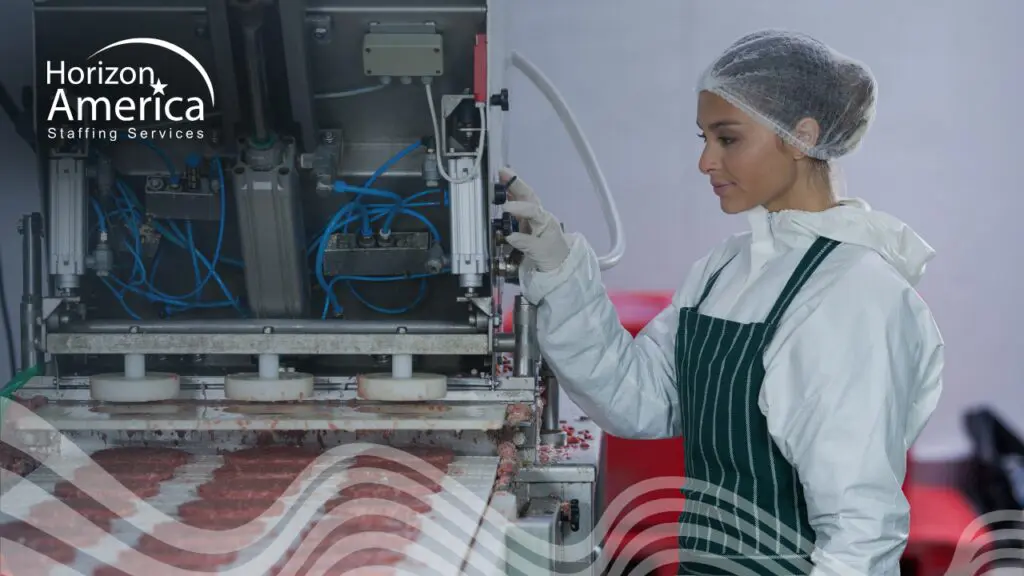
Food manufacturers have orders to fulfill, quality standards to maintain, and strict safety requirements to meet. When turnover starts climbing, the common response is to ask for more candidates as quickly as possible. That approach may solve today’s vacancy, but it often does little to prevent the next one. If new hires continue leaving within weeks or struggle to succeed once they’re on the floor, the problem may not be sourcing. It may be that the conditions behind the role were never evaluated in the first place. That’s where diagnostic staffing begins—with understanding the job before trying to fill it.
Diagnostic staffing offers a different approach. Rather than focusing on candidate volume alone, it looks at the operational factors that influence whether placements are likely to succeed before recruitment begins. In today’s labor market, that proactive mindset matters more than ever. According to the National Association of Manufacturers cited in Deloitte’s 2024 manufacturing talent study, attracting and retaining a quality workforce remains one of manufacturers’ biggest business challenges, making it increasingly important to solve the root causes of hiring problems instead of repeatedly filling the same openings.¹
Read also: Why More Staffing Isn’t Fixing Your Food Processing Turnover
Why Volume-Based Staffing Keeps Failing Food Manufacturing Teams
Hiring more people does not always produce better staffing outcomes. A staffing partner that simply fills open positions may unintentionally repeat the same cycle of early turnover. Workers leave, production teams become short-staffed again, overtime increases, and supervisors return to hiring under pressure. SHRM estimates that replacing an employee can range from 50 percent to 200 percent of their annual salary, highlighting how expensive repeated turnover can become.²
A stronger food manufacturing staffing strategy starts by asking why placements are failing instead of assuming more candidates will solve the issue.
Review Whether Compensation Matches the Market
One of the first areas diagnostic staffing evaluates is wage competitiveness.
If similar facilities nearby offer higher starting pay, different shift premiums, or stronger attendance incentives, attracting dependable workers becomes much more difficult. Even successful placements may leave once they discover better opportunities elsewhere.
Assess Shift Coverage and Scheduling Demands
Not every shift is equally easy to staff. Third shifts, rotating schedules, weekend production, and seasonal demand often create hiring challenges that require different sourcing strategies. Reviewing these requirements early helps identify where staffing risks are most likely to occur instead of treating every opening the same way.
Flexible scheduling has become increasingly important to today’s workforce. Research from Deloitte shows that nearly half of manufacturing executives identified flexible work arrangements as the most impactful strategy for retaining employees, meaning rigid shift structures can significantly reduce applicant interest and increase turnover.¹

What Diagnostic Staffing Reviews Before Making Placements
A diagnostic staffing approach looks beyond job descriptions. It evaluates how the work environment supports long-term success and identifies operational adjustments that can improve retention.
1. Evaluate Onboarding Readiness
Even experienced production employees need a clear introduction to a new facility. Diagnostic staffing examines questions such as:
- Are new employees receiving consistent orientation?
- Do supervisors have time to train new hires?
- Are expectations clearly explained during the first week?
- Are safety procedures introduced before production responsibilities increase?
Read more: Light Industrial Onboarding That Boosts Retention
2. Identify Patterns Behind Early Turnover
Repeated turnover often follows recognizable patterns. Employees may leave because shift expectations differ from what they anticipated, production speed feels overwhelming, transportation becomes difficult, or communication between supervisors and new hires breaks down.
Reviewing these patterns helps address the underlying labor mismatch instead of repeatedly replacing workers who encounter the same challenges. Rather than treating every departure as an isolated event, diagnostic staffing looks for trends that reveal operational improvements capable of strengthening retention over time.
3. Adjust Placement Strategies as Conditions Change
Production volumes increase, new product lines are introduced, seasonal demand shifts, and scheduling requirements evolve throughout the year. Diagnostic staffing treats workforce planning as an ongoing process rather than a single hiring event.
That flexibility allows a food processing staffing partner to refine recruiting strategies as operational needs change, treating workforce planning as continuous rather than reactive.
How Operations Leaders Can Apply a Diagnostic Staffing Strategy
Operations leaders do not need to wait until turnover becomes unmanageable before taking a diagnostic approach. Asking the right questions before recruiting begins can significantly improve hiring outcomes. Consider discussing these topics with your staffing partner:
- Is our compensation competitive within the local labor market?
- Which shifts consistently experience hiring challenges?
- Are new employees receiving enough support during onboarding?
- What trends do we see among employees who leave within the first 30 to 90 days?
- What adjustments should we make before recruiting additional candidates?
These conversations move staffing beyond filling vacancies and toward improving long-term workforce stability. They also create opportunities to identify operational improvements that reduce hiring costs while improving productivity.
Build better placements by diagnosing before recruiting.
Every food manufacturing operation faces different workforce challenges. A diagnostic staffing approach helps uncover the conditions affecting hiring before new employees are placed.
If you’re looking to improve retention, reduce turnover, and build a stronger production workforce, Horizon America can help. Our team works closely with manufacturers to understand the operational factors behind hiring challenges. Contact Horizon America today to discuss how a diagnostic staffing approach can support your food manufacturing operation.
References
- Coykendall, John et al. “Taking charge: Manufacturers support growth with active workforce strategies.” Deloitte, 3 Apr. 2024, https://www.deloitte.com/us/en/insights/industry/manufacturing-industrial-products/supporting-us-manufacturing-growth-amid-workforce-challenges.html
- Dyerly, Regina. “The Myth of Replaceability: Preparing for the Loss of Key Employees.” SHRM, 21 Jan. 2025, https://www.shrm.org/executive-network/insights/myth-replaceability-preparing-loss-key-employees